Embracing the grime is an accepted part of the backpacking experience. After a few days of hiking through dust, mud, and sweat, you will not smell like a rose. However, there is a massive difference between being a little dirty and having poor hygiene. Poor hygiene on the trail quickly leads to severe chafing, painful blisters, skin infections, and gastrointestinal illness.
Many beginners try to solve this problem by packing a massive toiletry bag filled with full-sized deodorants, heavy wet wipes, and large tubes of toothpaste. Fortunately, you can maintain excellent health and cleanliness without the burden. By applying a few strategic lightweight hygiene tips, you can protect your skin and your base weight simultaneously.
What is Lightweight Trail Hygiene?
Before we look at specific gear, we must define the concept.
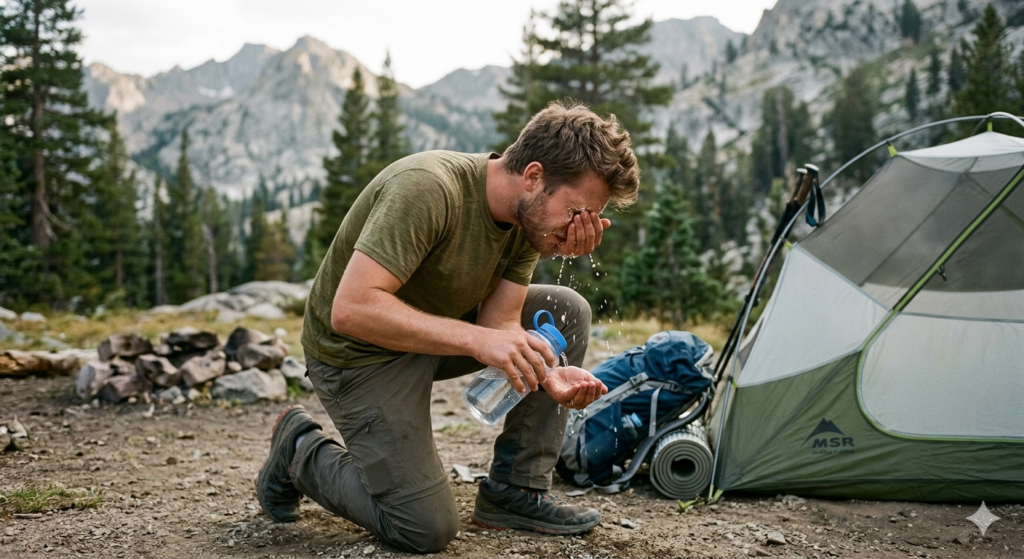
Lightweight trail hygiene is a system of maintaining personal cleanliness in the backcountry using minimal, multi-purpose items. It prioritizes preventing chafing, infections, and illness through targeted cleaning methods—like utilizing a trail bidet or repackaged soap—rather than carrying heavy, traditional bathroom products.
The goal is not to achieve a “fresh out of the shower” feeling, but to remove salt, bacteria, and abrasive dirt from the most critical areas of your body: your feet, your groin, your armpits, and your face.
The Bathroom Revolution: The Trail Bidet
For decades, hikers have relied on toilet paper to handle backcountry bathroom duties. However, toilet paper is bulky to pack, must be packed out after use (as we covered previously), and can cause severe chafing when used multiple times a day on sweaty skin.
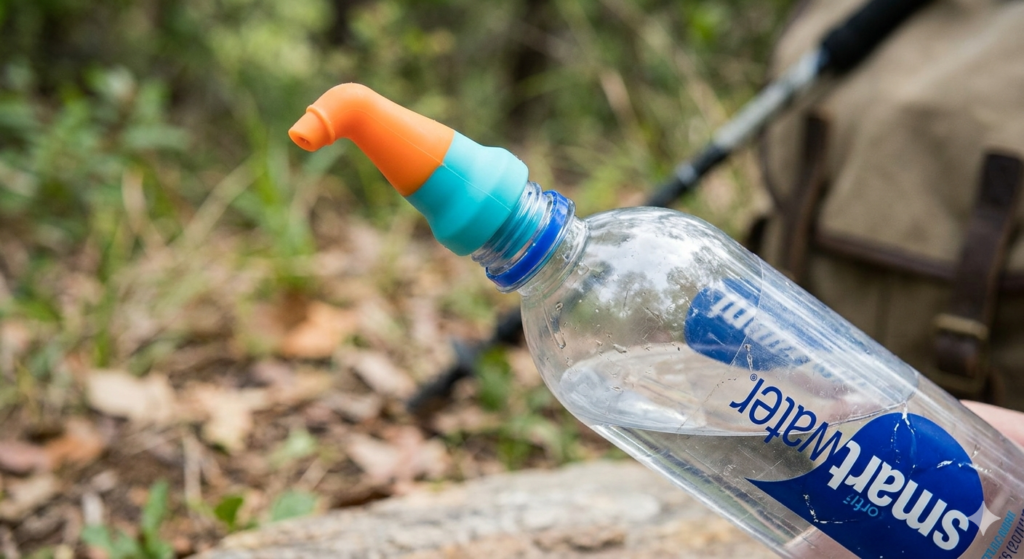
The modern solution is the trail bidet. This method uses a pressurized stream of water to clean yourself, providing superior hygiene while completely eliminating the need to carry rolls of toilet paper. Attaching a small, specialized nozzle like the CuloClean (Trail Bidet) to your standard plastic water bottle gives you a highly effective cleaning tool that weighs mere grams.
Using a bidet drastically reduces the friction that leads to saddle sores and chafing. It leaves you feeling completely clean, making it arguably the most impactful upgrade a hiker can make to their hygiene kit.
Washing Up: Using Backpacking Soap
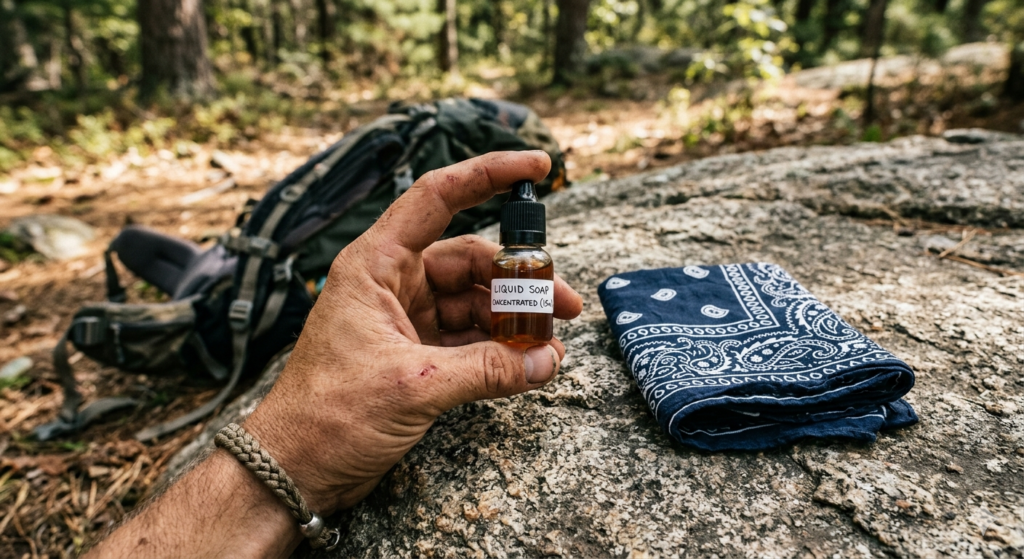
At the end of a long hiking day, washing the dried sweat and salt off your body is crucial for skin health. You do not need a full shower; a simple “hiker sponge bath” using a bandana and a few drops of water is highly effective.
If you have encountered poison ivy, tree sap, or significant grime, you may need a cleaning agent. Concentrated liquid backpacking soap (like Dr. Bronner’s) is incredibly efficient. Because it is so concentrated, you only need to carry a half-ounce in a tiny plastic dropper bottle for a week-long trip.
However, you must use soap responsibly. As emphasized in our guide on Essential Minimalist Camping Skills for Ultralighters, protecting water sources from chemical contamination is a primary responsibility. Even biodegradable soap is toxic to aquatic life. You must carry your wash water at least 200 feet away from any lake or stream before applying soap to your skin or bandana.
Managing Grime with Biodegradable Wipes
In arid environments like the desert, water is too precious to use for a sponge bath. In these scenarios, hikers often turn to wet wipes to clean their feet and body before climbing into their sleeping bags.
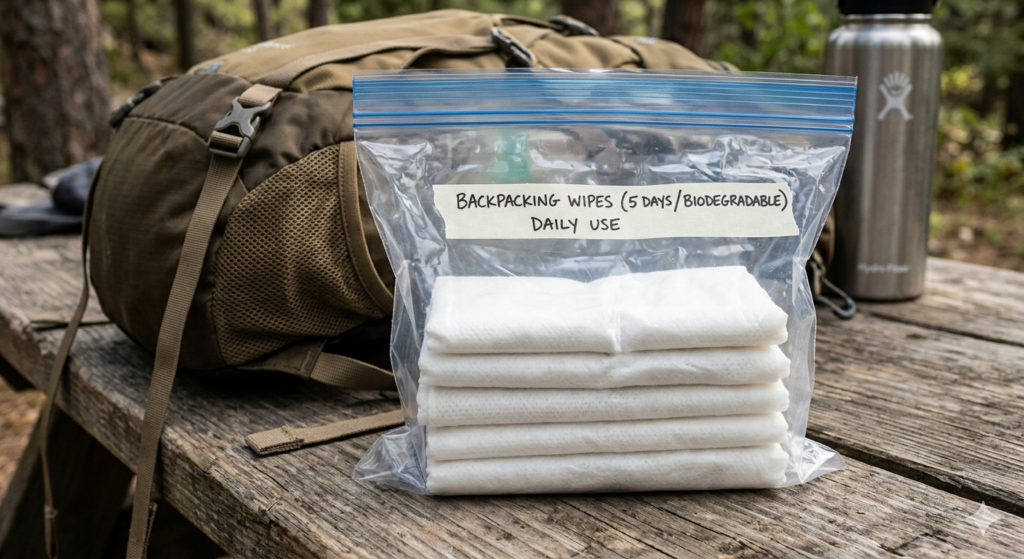
If you choose to use wipes, look for unscented, biodegradable wipes to minimize the chemical residue left on your skin. To save weight, take them out of their heavy plastic dispenser and place only the exact number you need for the trip into a lightweight ziplock bag.
A crucial warning: “Biodegradable” does not mean you can bury them in the woods. These wipes take years to break down and are frequently dug up by animals. Every single wipe you use must be placed in your trash bag and carried out to a proper trash can.
Ultralight Dental Care
Oral hygiene is one area where you should never cut corners, but you can certainly cut weight. A full-sized toothbrush and a standard tube of toothpaste can weigh over 3 ounces.
To optimize your dental care kit, start with the classic ultralight trick: cut the handle off a cheap toothbrush. You only need the brush head and an inch of plastic to hold it.
Instead of a heavy tube of liquid paste, many hikers switch to toothpaste tablets. You simply chew a tablet until it foams, then brush normally. You can pack exactly 14 tablets for a 7-day trip, completely eliminating the dead weight of plastic tubing. When you are finished brushing, use the “spray” method to disperse your spit widely over a patch of dirt, rather than leaving a concentrated white puddle on a rock or plant.
Conclusion
Carrying a 15-pound backpack does not mean you have to abandon your health. By adopting these lightweight hygiene tips, you can prevent the most common trail ailments while keeping your pack incredibly light. Utilizing a trail bidet, repackaging your backpacking soap, and streamlining your dental care kit allows you to maintain the necessary cleanliness to hike comfortably day after day.
Frequently Asked Questions (FAQ)
1. Should I bring deodorant backpacking?
No. Deodorant is heavy, completely ineffective after a few hours of sweating under a backpack, and heavily scented. Strong scents attract mosquitoes, flies, and larger wildlife like bears. Embrace your natural scent and rely on daily water wipe-downs instead.
2. Can I swim in a lake to get clean?
Yes, a quick plunge in an alpine lake is a great way to rinse off sweat. However, you must never use soap (even biodegradable soap), sunscreen, or bug spray right before jumping in. These chemicals severely damage fragile aquatic ecosystems.
3. How do I wash my clothes on the trail?
For most trips under a week, hikers do not wash their clothes. For longer thru-hikes, hikers use a large ziplock bag as a “washing machine.” Place your socks and shirt in the bag with water and a drop of soap (200 feet from a water source), agitate it, wring the clothes out, and hang them on your pack to dry while you hike.
4. How do I prevent chafing?
Chafing is caused by a combination of friction, moisture, and salt crystals from sweat. The best prevention is keeping your skin clean using a trail bidet or a wet bandana, and keeping it dry. Many hikers also apply an anti-chafe balm to high-friction areas before they start hiking.
5. How do I keep my hands clean after going to the bathroom?
Hand sanitizer is mandatory. After using the bathroom and before eating any food, vigorously rub an alcohol-based hand sanitizer on your hands. This is the single most important step to preventing gastrointestinal illness on the trail.