A common trap for new backpackers is believing that the solution to every backcountry problem can be purchased at an outdoor retail store. If you are cold, you buy a thicker jacket. If the wind blows your tent down, you buy a heavier, bombproof shelter. While gear is important, relying on it to solve every issue leads to massive pack weights.
The true secret to moving freely through the wilderness lies in what you know, not what you carry. By shifting your focus from acquiring equipment to acquiring knowledge, you can dramatically reduce your base weight while actually increasing your safety and comfort. This guide serves as a foundational pillar for replacing gear with technique.
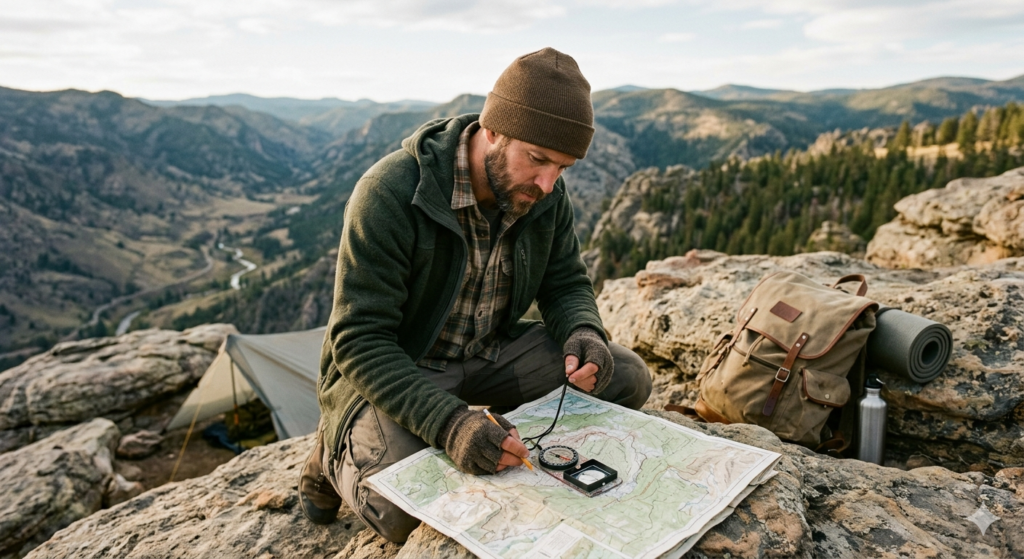
What is Minimalist Camping?
To successfully drop pack weight, you must adopt a new mindset regarding how you interact with the environment.
Minimalist camping is an outdoor philosophy that prioritizes fundamental survival and comfort skills over carrying heavy, specialized gear. By mastering techniques like strategic campsite selection, layering, and navigation, hikers can safely venture into the backcountry with significantly lighter backpacks and a deeper connection to nature.
This approach treats the wilderness as an environment to adapt to, rather than an adversary to conquer with equipment. Your brain becomes the most valuable, and lightest, tool in your kit.
The Ultimate Weight Saver: Outdoor Skills
Every item in your backpack should be evaluated against your personal outdoor skills. The more proficient you become, the less you need to pack.
For example, a hiker who lacks fire-building or site-selection skills might carry a heavy, zero-degree synthetic sleeping bag to guarantee warmth. A skilled hiker, however, can carry a much lighter quilt. They know how to pick a sheltered site, utilize a hot water bottle trick, and eat a high-fat meal before bed to generate internal body heat.
The knowledge replaces the need for pounds of extra insulation. This principle applies to first aid, gear repair, and navigation.
Mastering Campsite Selection
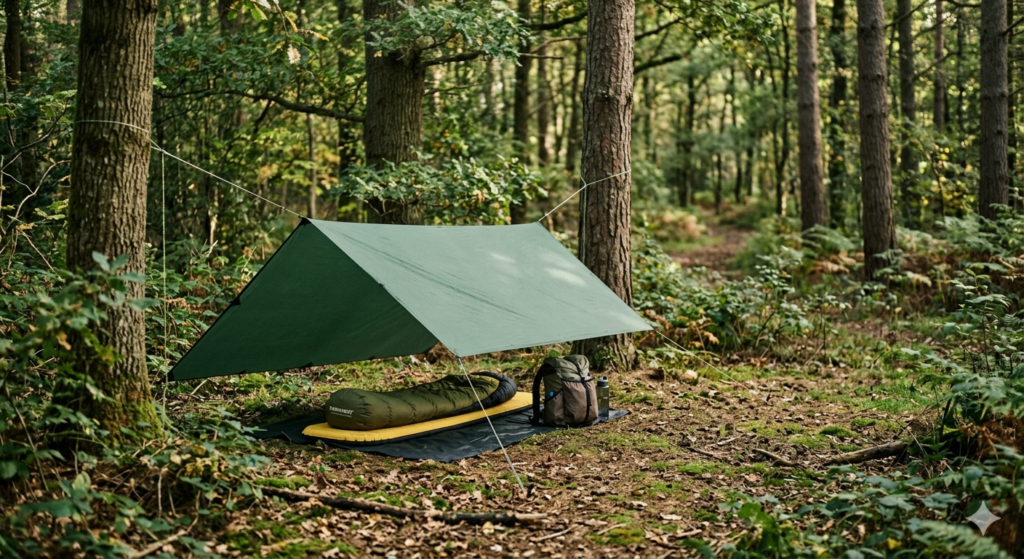
Of all the trail skills you can learn, campsite selection has the most direct impact on your comfort and safety. A good campsite can make a cheap, lightweight sleeping bag feel luxurious, while a bad campsite can make a premium expedition tent feel miserable.
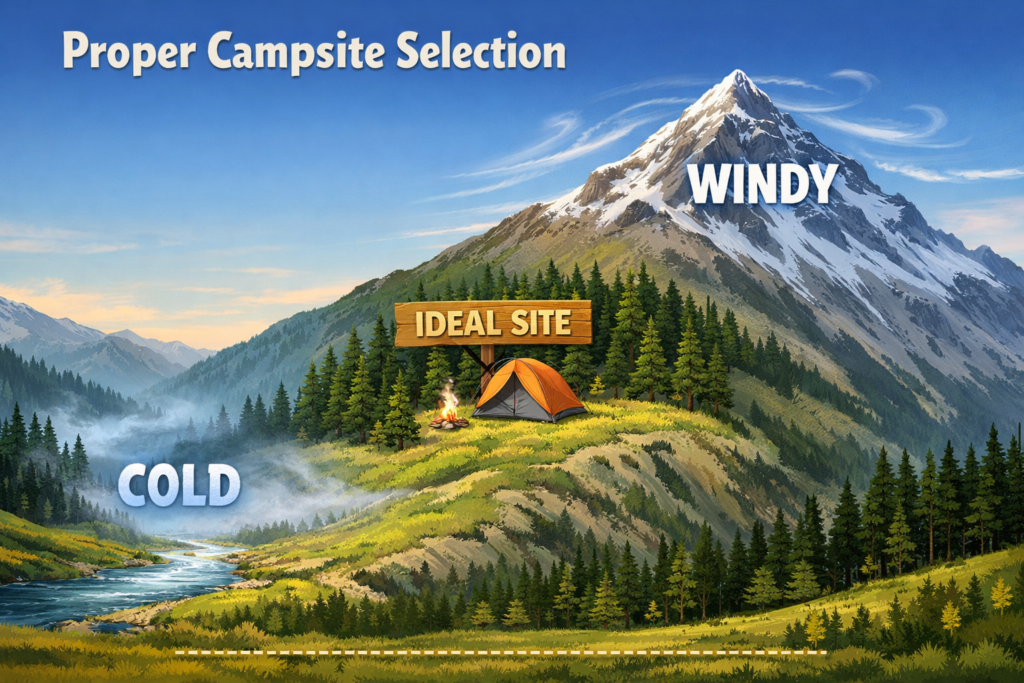
When choosing a place to sleep, look for the “Goldilocks” zone.
- Avoid Valley Bottoms: Cold air is dense and settles in low depressions and valley floors. Sleeping here guarantees a freezing night.
- Avoid Exposed Ridges: High, exposed areas leave your lightweight shelter vulnerable to high winds and lightning.
- Seek Microclimates: Look for sites halfway up a hill, nestled under a thick canopy of trees. Trees trap radiant heat, block wind, and significantly reduce morning dew.
By sleeping in warmer, protected microclimates, you can safely leave your heaviest winter gear at home during three-season trips.
The Role of Stealth Camping
In the context of wilderness backpacking, stealth camping does not mean hiding from the law in urban environments. It refers to the practice of camping unseen and unheard in the backcountry, often away from established, heavily impacted campsites.
This skill is crucial for ultralighters who hike from dawn to dusk and simply need a flat spot to rest. By learning to identify durable surfaces (like pine duff or rock) off the main trail, you avoid the noisy, hard-packed dirt of popular sites.
Stealth camping requires low-profile gear. Muted colors (greens, browns, and greys) for your shelter help you blend into the environment. It also demands a deep understanding of local regulations to ensure off-trail camping is legally permitted in your specific wilderness area.
Leave No Trace: The Minimalist Ethic
Minimalism in gear directly translates to minimalism in environmental impact. The core of this philosophy is the Leave No Trace (LNT) ethic.
When you carry less, you consume less. Stoveless cold-soaking means no risk of a campfire scar or spilled fuel. Using a tiny trowel to dig a proper cat hole ensures waste is managed cleanly without the need for bulky camp toilet systems.
True minimalist campers leave a site looking exactly as they found it. Because they do not carry heavy camp chairs, axes, or large lanterns, the temptation to alter the site—like cutting branches or moving heavy rocks to build furniture—is completely removed.
Conclusion
Transitioning to minimalist camping is a highly rewarding journey. It demands that you pay closer attention to the wind, the terrain, and your own body’s signals. By actively studying outdoor skills, practicing thoughtful campsite selection, and strictly adhering to Leave No Trace principles, you become a participant in the wilderness rather than just a visitor hauling a heavy suitcase.
Frequently Asked Questions (FAQ)
1. Is minimalist camping dangerous for beginners?
It can be if you drop your gear weight before you develop the skills to compensate. Beginners should practice minimalist techniques (like tarp pitching or stoveless cooking) on short, low-risk trips close to home before relying on them in remote wilderness.
2. Do I need to build a fire when minimalist camping?
No. In fact, most minimalist and ultralight hikers rarely build campfires. Fires consume a lot of time, leave a lasting impact on the environment, and carry a risk of wildfire. Most rely on layering clothes for warmth instead.
3. What is the most important outdoor skill to learn first?
Navigation is paramount. Knowing how to read a topographic map and use a compass ensures you can find your way even if your electronic GPS devices fail. This allows you to safely explore without carrying heavy backup gadgets.
4. Can I still be comfortable with less gear?
Absolutely. Comfort in minimalist camping comes from efficiency and connection with nature, rather than physical padding. Waking up without a sore back because you carried a 10-pound pack is a profound form of comfort.
5. How do I practice stealth camping legally?
Always check the land management agency’s regulations (e.g., National Forest, BLM land, National Park). Many National Forests allow “dispersed camping” anywhere in the forest, provided you are a certain distance from roads, water sources, and trailheads.