For many hikers, the desire to explore the wilderness on their own terms eventually outweighs the patience required to coordinate group trips. However, the moment you announce your intention to head into the woods alone, you are often met with wide eyes and a chorus of concerns from friends and family. This reaction inevitably leads to the most common question in the outdoor community: is solo backpacking safe?
Fear is the primary barrier preventing hikers from experiencing the profound solitude and self-reliance of a solo trip. This guide strips away the anxiety driven by movies and sensationalized news stories. By understanding the real risks, building robust emergency protocols, and relying on objective preparation, you can confidently navigate the backcountry alone.
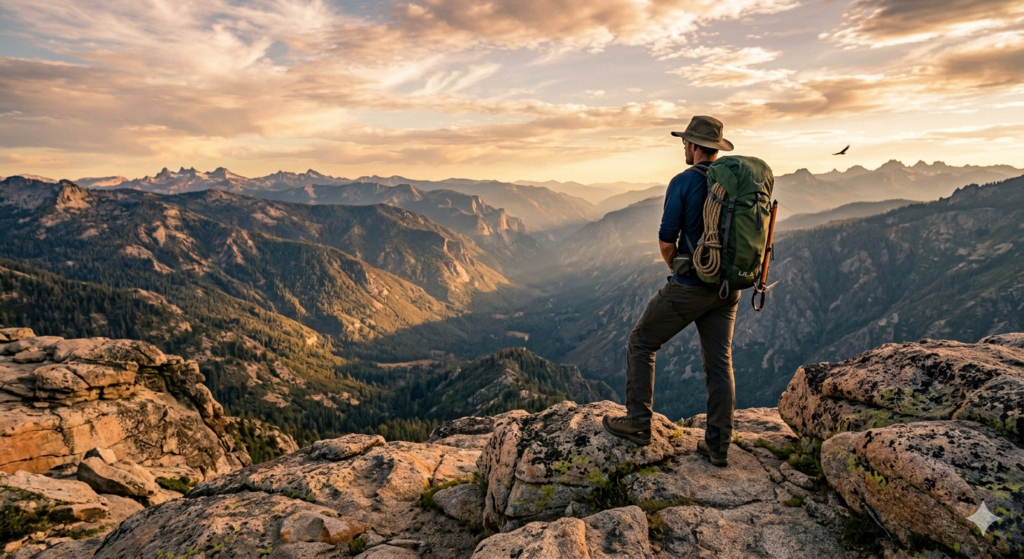
The Reality: Is Solo Backpacking Safe?
Before analyzing the specifics of gear and planning, it is important to address the core question directly with an objective baseline.
Is solo backpacking safe? Yes, solo backpacking is generally safe when hikers properly mitigate risks through careful planning, acquiring navigation skills, and carrying emergency communication devices. The statistical danger of a backcountry emergency is low, provided you respect weather conditions and your own physical limits.
While the wilderness is inherently unpredictable, the vast majority of solo trips end without incident. The key difference between a safe solo hiker and a reckless one is the acceptance of personal responsibility. When you are alone, there is no safety net of a stronger group member to carry your gear or double-check your map.
Understanding Solo Hiking Risks
To pack effectively and hike confidently, you must separate Hollywood myths from statistical realities. People often fear apex predators or malicious strangers, but these account for a microscopic fraction of backcountry incidents.
The true solo hiking risks are much more mundane.
- Slips and Falls: A minor ankle sprain that is inconvenient in a group becomes a serious immobility issue when you are alone.
- Weather Changes: Sudden temperature drops leading to hypothermia are a leading cause of backcountry rescues.
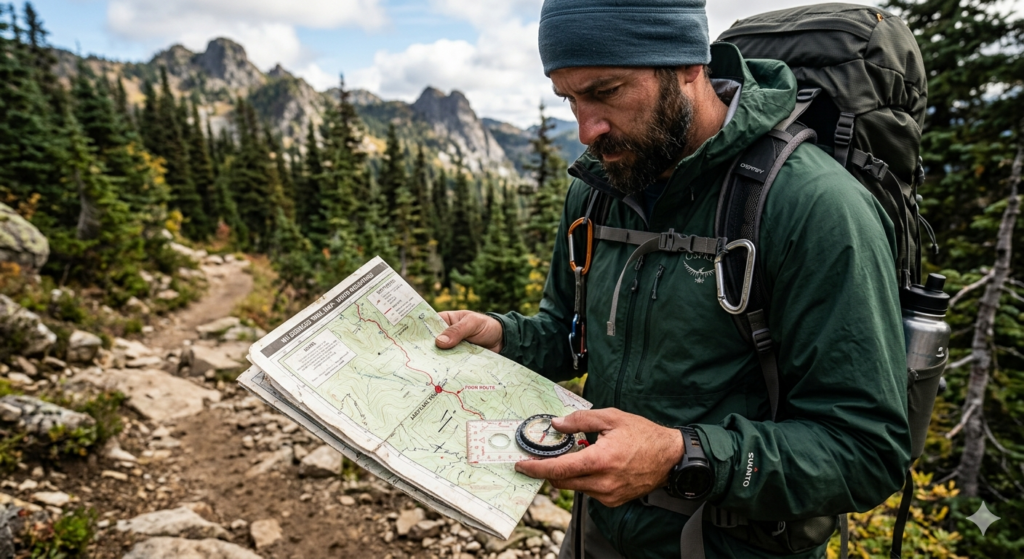
- Navigation Errors: Taking a wrong turn and losing the trail without a partner to consult can quickly lead to panic and exhaustion.
By focusing your mental energy and packing space on mitigating these specific risks (e.g., carrying a reliable shelter, a physical map, and a first aid kit), you drastically increase your safety margin.
Communication: PLB vs InReach
In the modern era of backpacking, heading out alone without a way to contact the outside world is an unnecessary risk. Cell phone service is practically non-existent in true wilderness areas, making satellite communication essential.
When choosing a device, hikers generally debate PLB vs InReach (or similar satellite messengers).
- PLB (Personal Locator Beacon): These devices do not require a subscription. When activated, they send a powerful, one-way SOS signal directly to search and rescue satellites. They cannot send text messages.
- Satellite Messengers: Devices like the Garmin inReach Mini (Satellite Communicator) require a monthly subscription but offer two-way messaging. You can text your family that you are running late, request specific non-life-threatening help, or hit the SOS button in a true emergency.
For a solo hiker, the psychological comfort of two-way communication often makes satellite messengers the preferred choice.
Creating Bulletproof Emergency Plans
A satellite device is useless if you are incapacitated and cannot press the button. Therefore, leaving detailed emergency plans with a trusted contact is your most vital safety net.
Your itinerary should be highly specific. Include the trailhead where you are parking, your license plate number, the exact route you plan to take, and where you intend to camp each night. Most importantly, establish a strict “panic time.”
A panic time is a predetermined deadline (e.g., “If I have not contacted you by 8:00 PM on Sunday”). Give your contact clear instructions to call the local sheriff or ranger station responsible for that specific wilderness area immediately if that deadline passes.
Conclusion
So, is solo backpacking safe? It is as safe as you choose to make it. By acknowledging the reality of the risks, investing in reliable satellite communication, and strictly adhering to your established itineraries, you remove the guesswork from the equation. Solo hiking requires a heightened level of vigilance, but the reward—an uncompromised, deeply personal connection with the natural world—is well worth the preparation.
Frequently Asked Questions (FAQ)
1. Should I carry a weapon for protection while solo hiking?
Most experienced long-distance hikers do not carry firearms, as the weight is significant and the statistical need is extremely low. However, many solo hikers carry bear spray (where legal), which is highly effective against both aggressive wildlife and human threats.
2. What should I do if I get injured while alone?
Stay calm and assess the injury. If it is a minor sprain, apply first aid, make camp if necessary, and rest before attempting to hike out slowly. If you are immobile or in life-threatening danger, activate the SOS feature on your satellite communicator immediately and stay exactly where you are.
3. Is it normal to feel scared on your first solo trip?
Absolutely. Every solo hiker experiences anxiety on their first few trips, especially when the sun goes down. This is a natural human response to isolation. The fear fades with experience as you learn to trust your gear and your skills.
4. How do I practice for a solo backpacking trip?
Start small. Go for a long day hike alone on a familiar trail. Next, try a solo overnight trip at a designated campground where other people are nearby. Gradually increase the remoteness of your trips as your confidence grows.
5. What is a “bailout point”?
A bailout point is a pre-planned escape route on your map. If the weather turns bad or you experience gear failure, a bailout point provides the shortest, safest path back to a road or civilization, even if it means abandoning your intended route.