For decades, outdoor media has largely portrayed backpacking as a communal activity. The classic image features a group of friends laughing around a camp stove, sharing the physical load and the emotional experience. Therefore, when a hiker decides to pack their bag and step onto the trail entirely alone, they are often met with confusion. People inevitably ask, “Why would you want to go by yourself?”
While the fear of isolation deters many, a growing segment of the outdoor community actively seeks it out. The benefits of solo hiking extend far beyond simple convenience or scheduling. This guide explores the deep psychological, physical, and emotional rewards that can only be unlocked when you leave the group dynamic behind and venture out on your own terms.
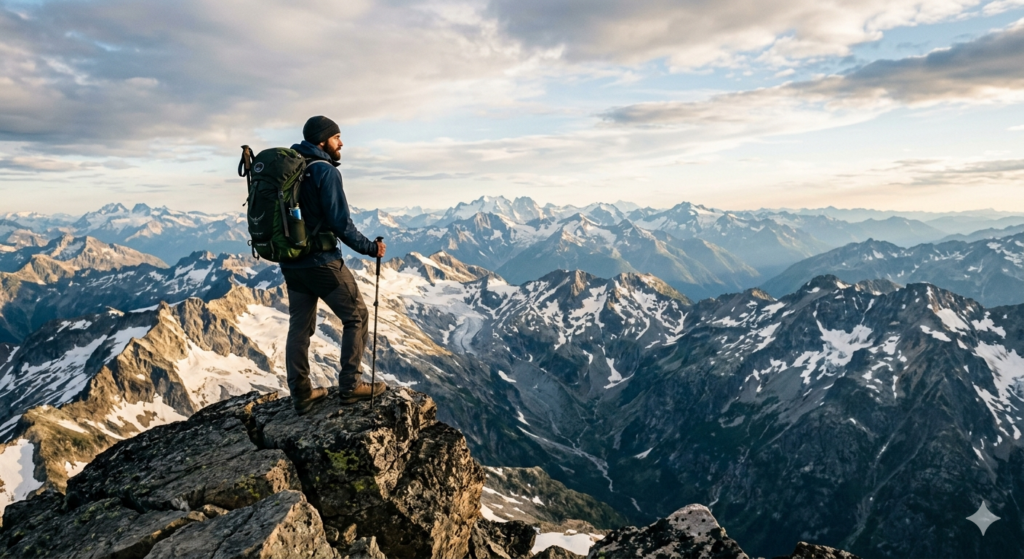
What is the Appeal of Solo Hiking?
Before examining the specific advantages, we must define the core experience of going alone.
Solo hiking is the practice of traversing wilderness trails entirely independently, without the physical presence or social support of a group. This approach to backpacking maximizes personal freedom and demands absolute self-reliance, offering unique psychological rewards by removing external distractions and societal pressures.
When you strip away the social element of a trip, the focus shifts entirely. You are no longer managing group dynamics; you are managing your direct relationship with the natural environment and yourself.
The Freedom of “Hiking Your Own Hike”
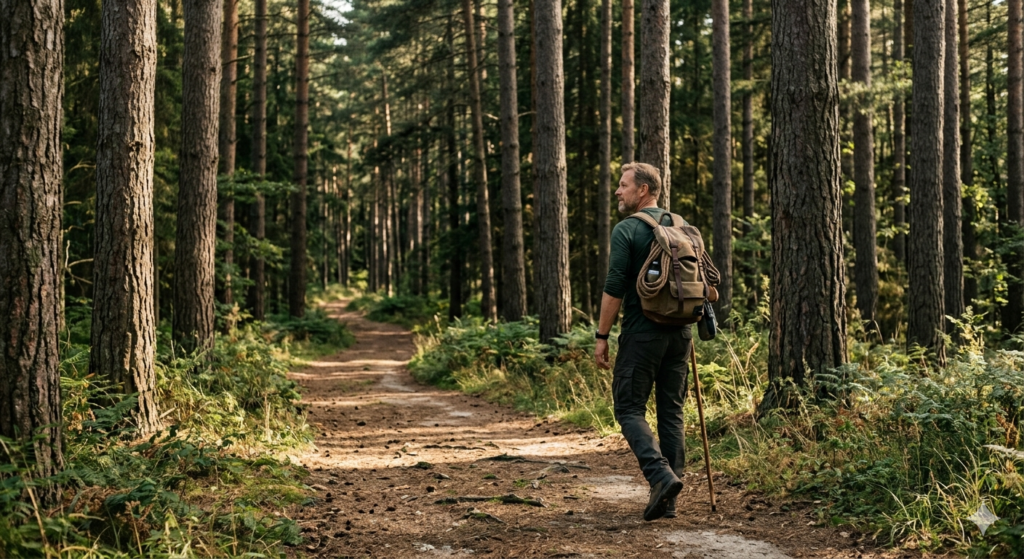
The most immediate and tangible benefit of solo travel is absolute autonomy. In the hiking community, there is a popular phrase: hiking your own hike. This means making decisions based purely on your own physical needs and desires.
When you hike in a group, every decision is a compromise. You compromise on the wake-up time, the walking pace, when to take breaks, and where to set up camp. If you want to push hard for 20 miles, but your partner is tired at mile 12, you stop.
A solo hike removes all compromise. If you want to stop for an hour to watch a deer graze, you can. If you want to wake up at 4:00 AM to hike by headlamp, no one will complain. This level of uncompromised freedom is incredibly rare in modern, daily life.
Building Absolute Self-Reliance
There is a profound difference between knowing you can probably survive a situation and proving it to yourself. When you hike alone, you become the sole problem solver.
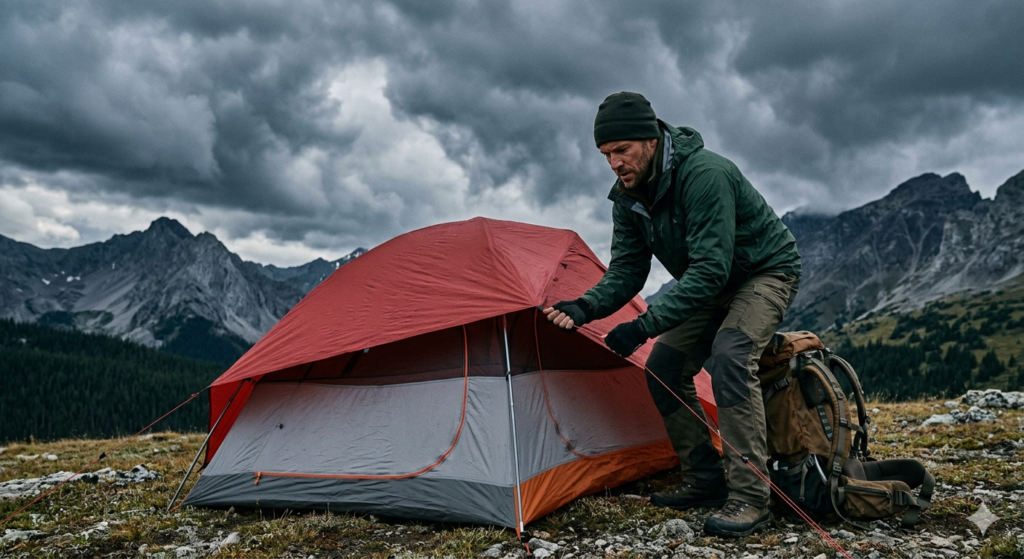
There is no one else to read the map, pitch the tent, or fix a broken water filter. The responsibility for your comfort and survival rests entirely on your shoulders. While this requires a strict adherence to the principles outlined in The Complete Guide to Solo Backpacking Safety, the emotional payoff is massive.
Successfully navigating a tough day of hiking, managing a sudden rainstorm, and setting up camp by yourself builds an unshakable core of self-reliance. This competence cultivated in the woods directly translates into increased confidence when facing challenges back in civilization.
Mental Health and Solitude in Nature
Perhaps the most significant draw for modern backpackers is the opportunity for a mental reset. We live in an era of constant connectivity, bombarded by emails, social media notifications, and social obligations.
Mental health hiking involves using the physical exertion and isolation of the trail to quiet the mind. True solitude in nature provides a blank canvas for introspection. Without the distraction of conversation, your brain is forced to process lingering thoughts and emotions.
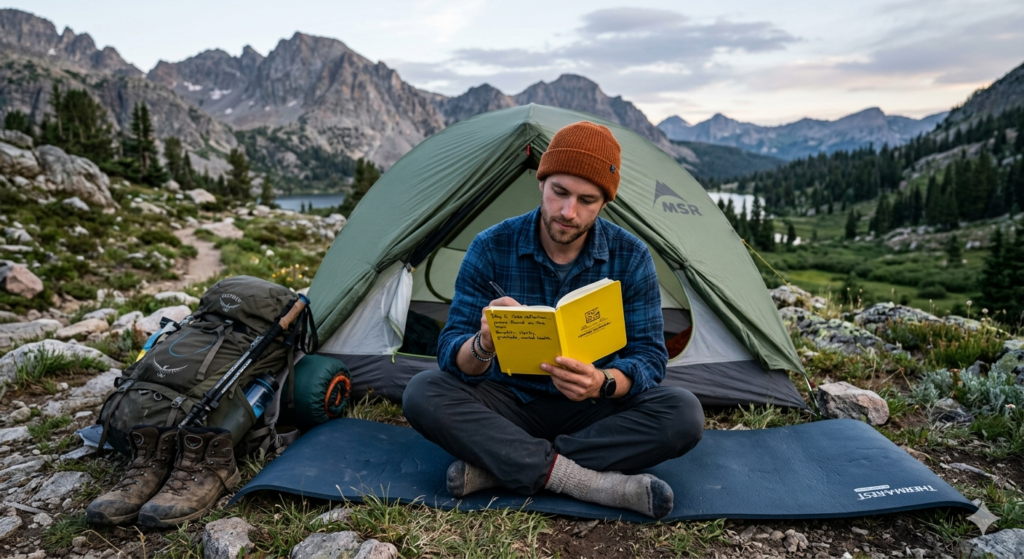
Many hikers find that after a few days alone, the mental chatter fades, replaced by a profound sense of clarity. Carrying a small, waterproof journal is a common practice among solo backpackers to capture these moments of insight and reflection before returning to the noise of the city.
A Deeper Connection with the Environment
When you travel in a group, you naturally focus on the people around you. You talk, you laugh, and you create a bubble of human noise that moves down the trail.
Solo hikers walk quietly. Because you are silent, you see significantly more wildlife. You notice the subtle shifts in wind direction, the changes in vegetation as you climb in elevation, and the complex sounds of the forest. Without a social buffer, the barrier between you and the wilderness dissolves. You transition from being a visitor walking through the woods to an active participant existing within it.
Conclusion
The decision to step into the wilderness alone is not about antisocial behavior; it is about self-discovery. The benefits of solo hiking range from the simple joy of moving at your own pace to the profound realization of your own competence. By embracing the silence and practicing absolute self-reliance, you return from the trail physically tired but mentally recharged. If you are willing to face the initial discomfort of solitude, the woods have a tremendous amount to teach you about yourself.
Frequently Asked Questions (FAQ)
1. Is solo hiking lonely?
It can be, especially during the first few trips. There is a distinct difference between “loneliness” (a negative feeling of isolation) and “solitude” (a positive state of being alone). Most hikers experience brief moments of loneliness that eventually transition into a deep appreciation for the quiet solitude.
2. Will I get bored hiking alone without anyone to talk to?
Boredom is rare on the trail. The physical demands of hiking, combined with camp chores like filtering water, cooking, and navigating, keep your mind highly occupied. Many hikers find the sensory input of nature is more than enough to stay engaged.
3. Does solo hiking change your perspective on everyday life?
Yes. Carrying everything you need to survive on your back simplifies your worldview. It highlights how little you actually need to be happy and comfortable, often making the stresses of modern life feel much smaller upon your return.
4. Can extroverts enjoy solo hiking?
Absolutely. While introverts naturally gravitate toward solo time, extroverts often benefit immensely from the forced pause. It allows highly social individuals to disconnect from the demands of others and focus entirely on their own internal needs.
5. How do I start solo hiking if I am nervous?
Start with micro-adventures. Go for a solo day hike on a popular trail where you know other people will be around. Graduate to a solo overnight camping trip at a designated campground next to your car before attempting a remote backcountry trip.