Embarking on your first solo wilderness trip is a profound milestone. It represents total self-reliance and offers a level of peaceful solitude that group hikes simply cannot match. However, hiking without the safety net of a partner means the margin for error is significantly smaller.
Without someone to double-check your map or share the weight of a heavy tent, small miscalculations can quickly compound into serious situations. By identifying and troubleshooting these common failure points before you hit the trailhead, you can ensure your first independent adventure is memorable for the right reasons.
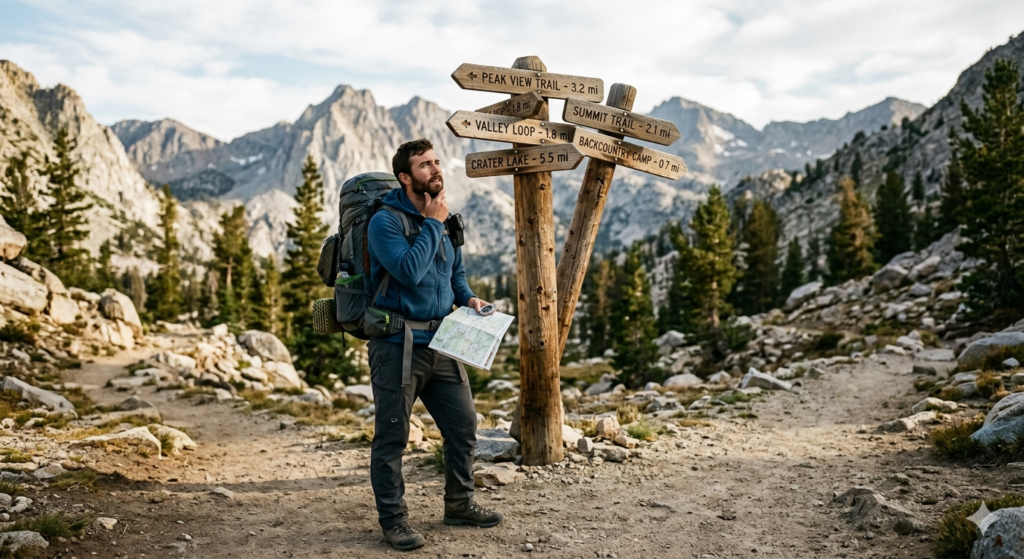
The Reality of Hiking Alone
When you are part of a group, decision-making is a shared responsibility. When you are alone, every choice falls entirely on your shoulders.
Beginner solo backpacking mistakes are common errors made by hikers transitioning to independent travel. These mistakes typically stem from overcompensating for anxiety by overpacking, neglecting fundamental navigation skills, or poorly managing physical pacing, all of which compromise safety and enjoyment in the backcountry.
Understanding these pitfalls is not about inducing panic. It is about actively preparing your mind and your gear list to handle the realities of the trail.
Mistake 1: Packing Your Fears
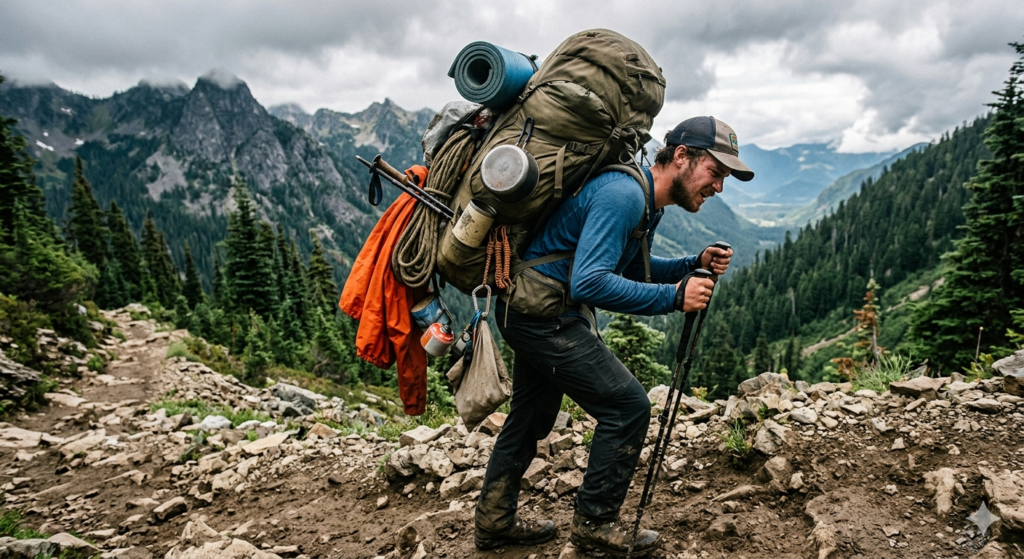
The most universal mistake a new solo hiker makes is carrying too much weight. When you hike alone, the “what-if” scenarios tend to run wild in your imagination.
This psychological trap leads to packing too much fears—bringing a heavy hatchet for a survival fire, three extra pairs of pants, or a massive first aid kit designed for a trauma ward. All this extra weight rapidly increases fatigue and the likelihood of joint injury. Trust your planned gear list and resist the urge to throw in heavy luxury items at the last minute “just in case.”
Mistake 2: Relying Solely on Electronics
Technology is incredible, but it is also fragile. Batteries drain rapidly in cold weather, and smartphones can easily break if dropped on a rock.
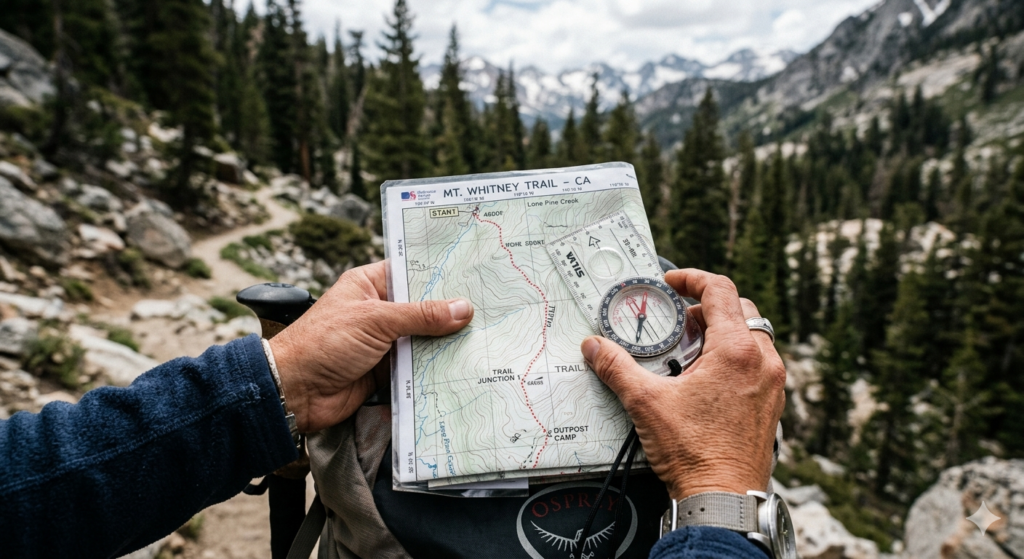
Fatal navigation errors frequently occur when a solo hiker loses access to their GPS app and has no analog backup. You must always carry a physical compass or maps for the specific area you are exploring. More importantly, you need to know how to read topographic lines and orient the map to north before you lose the trail.
Mistake 3: Poor Pacing and Burnout
When you hike alone, there is no one in front of you setting a reasonable tempo, and no one behind you asking for a break. Fueled by adrenaline and a light morning pack, beginners often hike far too fast during the first few hours.
Poor pacing inevitably leads to afternoon burnout, muscle cramps, and extreme exhaustion. You must actively monitor your speed. Adopt a steady, sustainable walking rhythm that allows you to breathe comfortably through your nose. Take scheduled, five-minute breaks every hour to drink water and eat a snack, even if you do not feel tired yet.
Mistake 4: Rushing Campsite Selection
In a group, looking for a place to sleep is a collaborative effort. Alone, hikers often hike until the sun is almost setting, leading to rushed, poor decisions in the fading light.
Proper campsite selection is your primary defense against cold weather and condensation. If you wait until dark to find a spot, you are highly likely to pitch your tent in a cold valley bottom or on an exposed, windy ridge. Always aim to arrive at your intended camp area with at least an hour of daylight remaining to scout for the safest, most protected microclimate.
Mistake 5: Failing to Leave a Detailed Itinerary
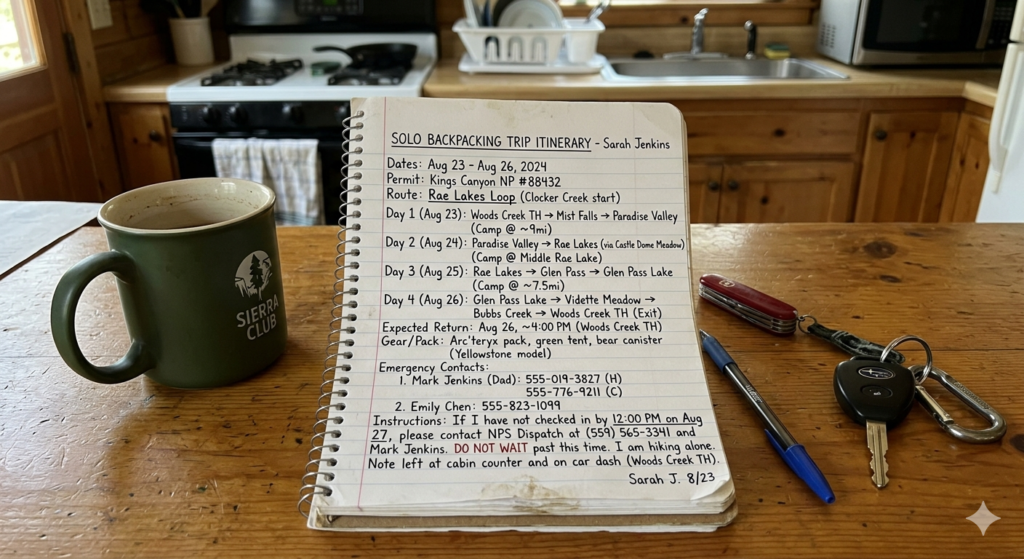
The ultimate safety net for a solo hiker is someone at home who knows exactly where they are. Far too many beginners simply tell a friend, “I’m going to the national park for the weekend,” and leave it at that.
If you twist an ankle and cannot hike out, search and rescue teams need a precise location. As outlined in our resource on The Complete Guide to Solo Backpacking Safety, you must leave a highly specific, turn-by-turn itinerary with a trusted contact, including a strict “panic time” for them to call the authorities.
Mistake 6: Ignoring Minor Bodily Issues
When hiking with friends, stopping to adjust your shoe or put on a bandage is easy because everyone takes a break. When alone, the drive to keep moving often overrides common sense.
Ignoring a “hot spot” (the friction right before a blister forms) is a critical error. A massive heel blister can completely immobilize you. Without a partner to carry your pack or hike out for help, a minor foot issue quickly becomes a survival situation. Stop immediately at the first sign of discomfort and treat the area with tape.
Mistake 7: Letting Your Mind Spiral
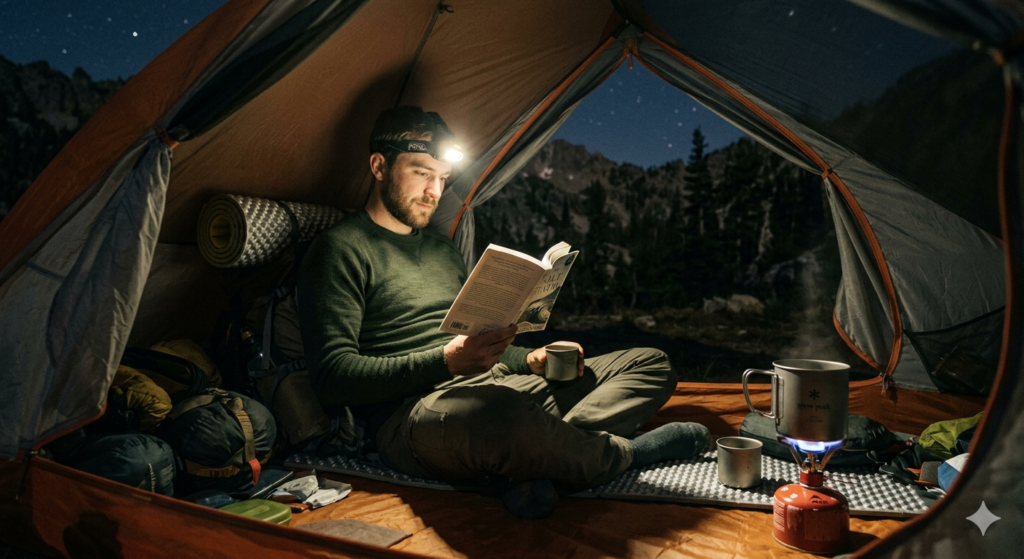
The psychological aspect of solo hiking is often harder than the physical effort. When the sun goes down, every snapping twig sounds terrifying.
Beginners often let their imagination invent worst-case scenarios, leading to a miserable, sleepless night. Recognize that this anxiety is a normal biological response to isolation. Manage your mind by keeping busy with camp chores, listening to a downloaded podcast, and relying on the logical fact that you are statistically very safe.
Conclusion
Hiking alone is an incredibly rewarding pursuit, but it demands a higher level of personal accountability. By actively avoiding these beginner solo backpacking mistakes, you set yourself up for success. Learn to trust your gear so you stop overpacking, master your physical pacing, and always leave a rock-solid itinerary. With these foundational rules in place, you can confidently embrace the solitude of the trail.
Frequently Asked Questions (FAQ)
1. Is it safe to listen to music while solo hiking?
It is generally advised to keep one earbud out. While music or podcasts help manage anxiety, completely blocking your hearing prevents you from noticing approaching wildlife, weather changes, or other hikers needing to pass.
2. How do I know if I am hiking too fast?
Use the “talk test.” If you cannot comfortably sing a song or speak a full sentence out loud without gasping for air, your heart rate is too high. Slow your pace down until your breathing normalizes to prevent premature fatigue.
3. What should I do if I realize I am lost?
Stop immediately. The acronym to remember is STOP: Stop, Think, Observe, Plan. Do not run or hike faster in a panic. Sit down, drink water, check your analog map and compass, and look for familiar landmarks. If you cannot reorient yourself, stay put to make it easier for search and rescue to find you.
4. How much water should a solo hiker carry?
This depends heavily on the climate and trail, but a standard baseline is one liter for every two hours of hiking. As a solo hiker, you must study your map beforehand to confirm reliable water sources so you never run completely dry.
5. How do I avoid overpacking food?
Track your calories rather than guessing. Aim for 2,500 to 3,500 calories per day, focusing on high-calorie-density foods (over 100 calories per ounce). Lay all your food out per day before the trip to ensure you are not bringing heavy, low-calorie items like fresh fruit or canned goods.