During the day, a solo hike through the wilderness feels empowering and deeply peaceful. However, the moment the sun dips below the horizon and the shadows lengthen, that peace can quickly vanish. For many beginners, overcoming fear of solo hiking is the single greatest hurdle to experiencing the freedom of the backcountry.
Suddenly, every snapping twig sounds like a massive predator, and the silence feels oppressive rather than calming. This psychological barrier prevents countless hikers from pursuing solo adventures. This guide breaks down the mental mechanics of outdoor anxiety and provides actionable strategies to help you finally sleep soundly under the stars.
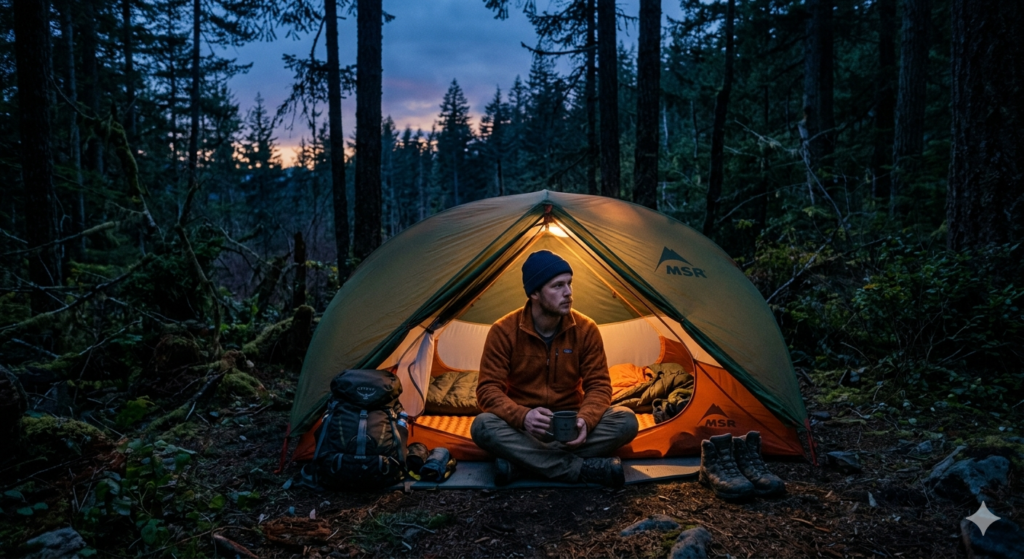
The Psychology of Hiking
Before you can fight the fear, you must understand where it comes from. You are not weak for feeling afraid; your brain is simply doing its job.
Overcoming fear of solo hiking means retraining your brain to understand that nighttime noises are normal woodland activity, not immediate threats. It involves acknowledging human instincts that fear the dark, and using logical risk assessment and exposure therapy to build backcountry confidence.
Rationalizing the Night: Fact vs. Fiction
The fastest way to calm a panicked mind is to introduce objective logic. As we established in The Complete Guide to Solo Backpacking Safety, the statistical dangers of the wilderness are remarkably low compared to everyday activities like driving a car.
When you lie in your sleeping bag, your imagination often invents worst-case scenarios.
- The Sounds: A deer walking through dry leaves sounds exactly like a 200-pound human footsteps. A tiny field mouse scratching at the dirt can sound incredibly loud in the dead of night.
- The Predators: Wild animals generally want absolutely nothing to do with humans. Provided you have stored your food properly in a bear canister or a secure hang, you are not a target.
Remind yourself of these facts out loud if necessary. Vocalizing logic helps override the amygdala, the fear center of the brain.
Practical Strategies for the First Solo Night
You do not have to rely on sheer willpower to get through the night. You can actively manage your environment to reduce sensory overload.
Control Your Lighting
A common mistake frightened hikers make is blasting their campsite with a thousand-lumen flashlight at every rustle in the bushes. This ruins your natural night vision and creates a “spotlight effect,” making the darkness beyond the beam feel even more threatening.
Instead, use a headlamp with red light mode while moving around camp. Red light preserves your eyes’ natural adjustment to the dark, allowing you to see the shapes of the trees and the stars, which makes the environment feel open rather than claustrophobic.
Distract the Brain
If you cannot stop listening for noises, remove your ability to hear them. Pack a pair of soft foam earplugs. Blocking out the harmless sounds of falling acorns and wind shifting the tent fabric is often the only way a beginner can fall asleep. Alternatively, download an audiobook or a familiar, comforting podcast to listen to as you drift off.
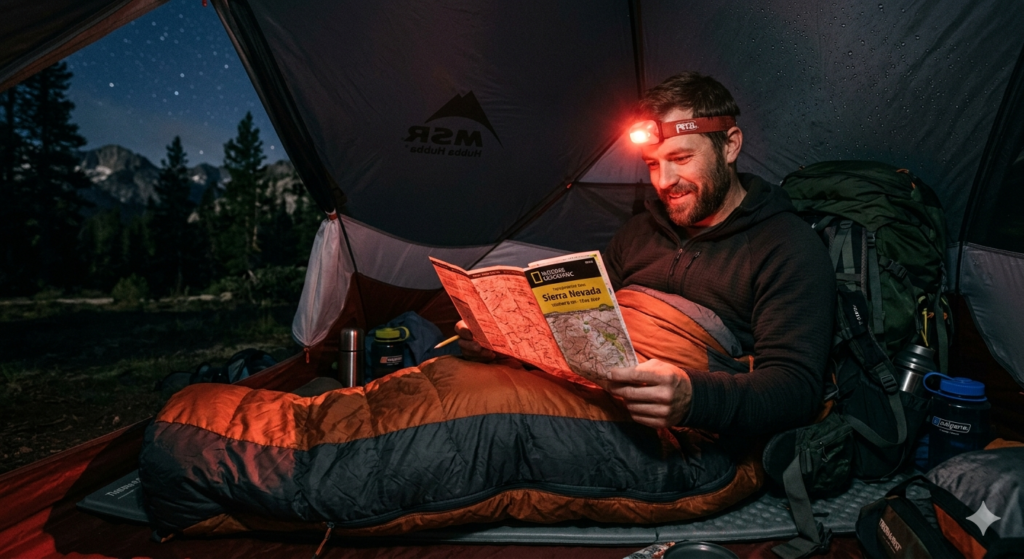
Beating Night Hiking Fear
Sometimes, the best way to conquer a fear is through controlled exposure. Night hiking fear is a specific subset of outdoor anxiety that you can practice beating close to home.
Go to a familiar, safe local trail just before sunset. Hike for 30 minutes into the dark, and then turn around and hike back. Experiencing the transition from day to night while you are in motion helps demystify the woods. You will realize that the trees do not change when the sun goes down; it is only your perception that alters.
Building Mental Toughness Over Time
Courage is not the absence of fear; it is taking action despite the fear. Developing mental toughness is a gradual process.
Establish a rigid camp routine. Setting up your tent, filtering water, cooking dinner, and organizing your gear gives your mind a specific task to focus on, leaving less room for anxiety. When you finally wake up the next morning and realize you survived the night completely unharmed, your brain registers a massive victory.
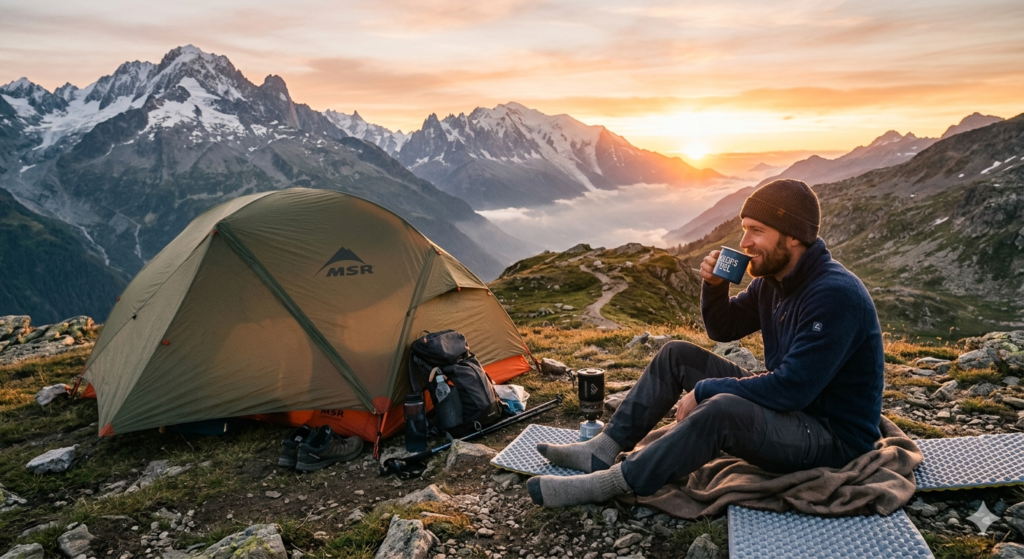
Conclusion
The wilderness at night is not a malicious place; it is simply indifferent. Overcoming fear of solo hiking requires patience, logical reasoning, and a willingness to step slightly outside your comfort zone. By understanding your biological responses, managing your light and sound inputs, and slowly exposing yourself to the dark, you can transform the terrifying night into the most peaceful, restorative part of your outdoor experience.
Frequently Asked Questions (FAQ)
1. Is it normal to panic on your first solo backpacking trip?
Yes, it is incredibly common. Many highly experienced backpackers admit to sleeping poorly or feeling intense anxiety during their first few solo nights. It is a normal physiological response to isolation.
2. Should I keep a knife in my tent for protection?
Most outdoor professionals advise against this. Keeping a weapon specifically for self-defense often heightens your anxiety because it keeps your mind focused on the possibility of an attack. Furthermore, in a state of panic in a small, dark tent, you are more likely to injure yourself or damage your gear.
3. Do animals attack tents at night?
Unprovoked animal attacks on tents are statistically incredibly rare. Animals investigate tents almost exclusively when they smell food or scented items (like toothpaste or deodorant). If you manage your “smellables” correctly, wildlife will ignore you.
4. How do I stop my imagination from running wild?
Engage your logical brain. If you hear a noise, force yourself to identify it rationally (e.g., “That is a branch rubbing against another branch in the wind”). If that fails, use earplugs or listen to a podcast to redirect your attention.
5. Does the fear of solo camping ever completely go away?
For most people, the visceral, panicky fear fades away entirely after a few successful trips. It is eventually replaced by a healthy, calm respect for the environment and a heightened sense of situational awareness.