When hikers decide to transition to a lighter setup, the first instinct is usually to open a wallet. It is incredibly tempting to browse outdoor catalogs for titanium cookware, carbon fiber trekking poles, and space-age fabrics. However, true ultralight philosophy is fundamentally about carrying less, not buying more. You can achieve massive comfort gains without spending a single dollar.
By applying a critical eye to the gear you already own, you can shed literal pounds from your back before your next trip. If you are looking for immediate, actionable reducing pack weight tips, this guide outlines five completely free methods to optimize your current loadout.
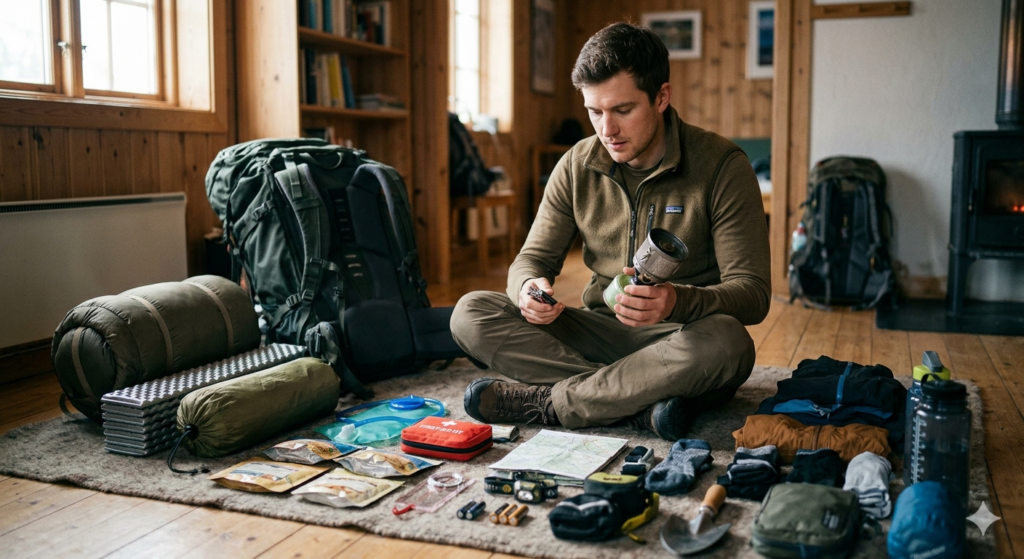
The Philosophy of Free Weight Reduction
Before you start trimming your gear, it helps to understand the methodology behind these modifications.
Reducing pack weight without spending money involves a meticulous audit of your existing gear to eliminate redundant items, trim unnecessary material, and optimize consumables. By removing excess straps, repackaging food, and leaving heavy packaging behind, hikers can immediately shed pounds for free.
This mindset shifts your focus from consumption to efficiency. As we detailed extensively in our guide on How to Go Ultralight on a Budget (Complete Guide), the most cost-effective gear is the gear you choose to leave in your closet.
1. The “Snipping” Audit (Removing Excess Straps and Tags)
Backpack manufacturers design their bags to fit the widest possible demographic. This means they include incredibly long webbing straps to accommodate heavy winter coats and larger body types. If you are hiking in the summer in a t-shirt, you likely have feet of excess nylon dangling from your pack.
Removing excess straps is a permanent but highly effective modification. Once your pack is fully loaded and adjusted to your body, mark the straps, leaving a few inches of extra length for adjustments. Use a sharp mini scissors to cleanly cut the webbing, then use a lighter to singe the ends so they do not fray.
Furthermore, spend ten minutes cutting tags off your clothing, your sleeping bag, and your tent. While a single care tag weighs only a gram, removing twenty of them across your entire kit adds up to free, permanent weight savings.
2. Repackaging Food and Consumables
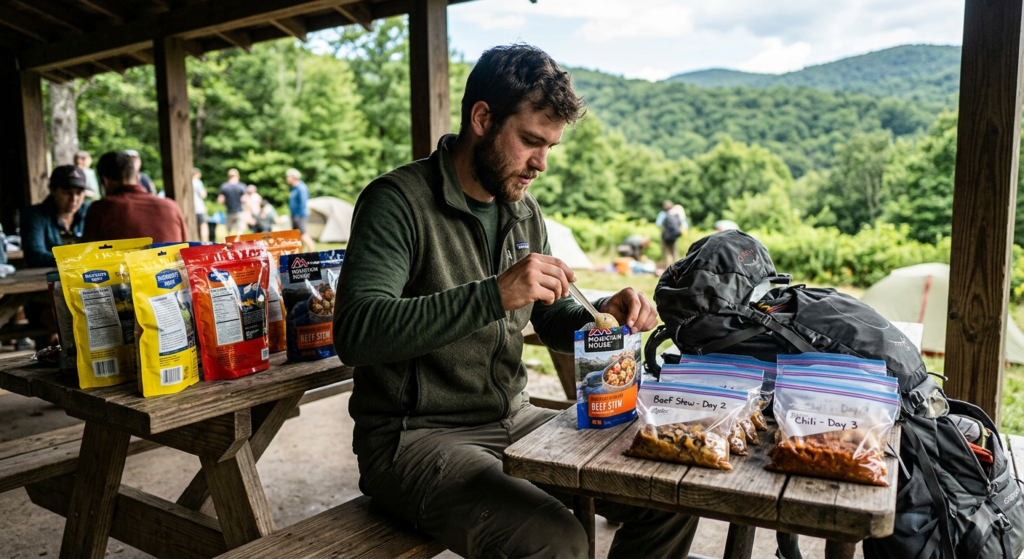
Food packaging is notoriously heavy and bulky. Commercial freeze-dried meals come in thick, Mylar-lined bags designed to withstand years on a store shelf. Deodorant, toothpaste, and sunscreen come in dense plastic containers.
Repackaging food into simple, lightweight ziplock bags removes ounces of unnecessary cardboard and thick plastic. You can combine your morning oatmeal packets into a single baggie. You can squeeze a travel-sized tube of toothpaste into a tiny, gram-scale dropper bottle. You should only carry the exact amount of consumables you need for the days you are on the trail.
3. Ditch the Stuff Sacks
When you buy a tent, a sleeping bag, and a rain jacket, they each come in their own nylon stuff sack. These sacks serve to keep the items neat on a retail shelf, but they are entirely unnecessary inside a backpack.
Four or five stuff sacks can easily weigh over a quarter of a pound combined. Leave them at home. Instead, stuff your sleeping bag loosely into the bottom of your waterproof pack liner. Let your tent body fill the empty voids around your food bag. This not only saves free weight but also helps your backpack form a more comfortable, unified shape against your back.
4. Master the Art of Drying Gear
Water is the heaviest substance you will carry on the trail, weighing roughly 2.2 pounds per liter. Carrying unnecessary water weight is a massive drain on your energy.
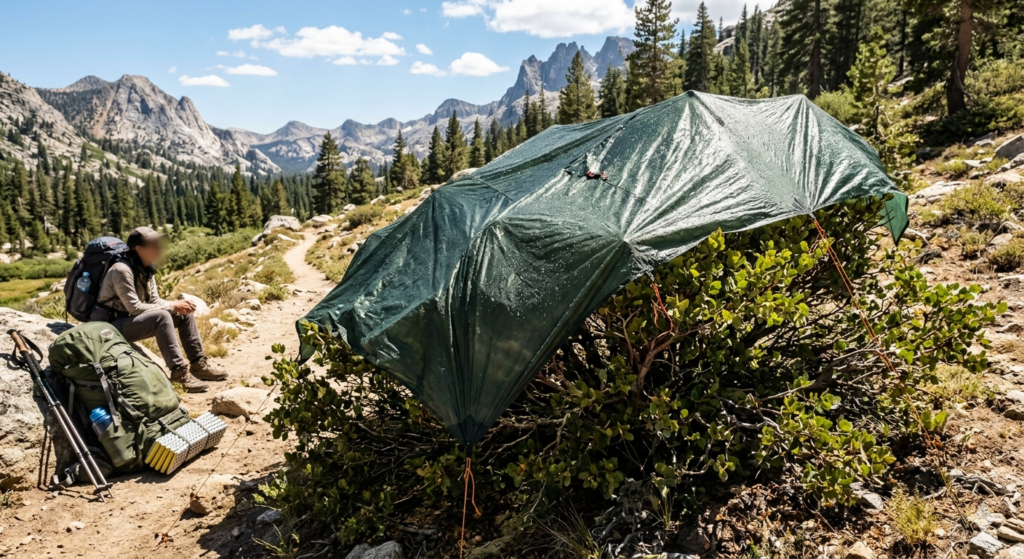
This concept extends to your equipment. Drying gear before you pack it away is crucial. If it rains overnight, your tent fly will be covered in condensation and rainwater. A wet tent can weigh twice as much as a dry one. Take five minutes in the morning to vigorously shake off the water, or wipe the tent down with a small bandana. If the sun comes out at lunch, drape your tent over a bush to let it dry completely.
5. The “What-If” Purge
The heaviest things in your backpack are often your fears. New hikers pack for every conceivable disaster: a heavy multi-tool with pliers, three backup lighters, a massive roll of duct tape, and extra camp pants.
Perform a ruthless pre-trip purge. If an item is packed solely for a highly unlikely “what-if” scenario (excluding emergency medical supplies), leave it behind. Wrap two feet of duct tape around your trekking pole instead of carrying the whole roll. Carry a single razor blade instead of a heavy multi-tool. Your confidence and skills must replace these heavy contingency items.
Conclusion
Lightening your backpack is a continuous process of refinement, not just a series of purchases. By applying these five reducing pack weight tips, you can instantly transform how your load feels on the trail. Taking the time to execute a “snipping audit,” repackaging food, and actively drying gear proves that resourcefulness is far more valuable than a high credit card limit.
Frequently Asked Questions (FAQ)
1. Does cutting tags really make a noticeable difference?
Individually, no. Cumulatively, yes. Ultralight hiking is a game of grams. By removing all the thick canvas tags from your clothing, tent, sleeping bag, and backpack, you can easily save an ounce or more for zero cost.
2. How do I stop nylon straps from fraying after cutting them?
Always use a lighter or a candle to gently melt the cut edge of the nylon webbing. The heat fuses the plastic fibers together, creating a hard, smooth edge that will never fray.
3. Is it safe to repackage first aid supplies?
Yes, as long as you keep sterile items (like gauze or bandages) in a clean, sealed ziplock bag. You may remove heavy cardboard boxes and excess plastic wrappers from ibuprofen and blister treatments.
4. Should I leave my backpack’s “brain” (top lid) at home?
If your backpack has a removable top lid and you do not absolutely need the volume to fit your food, leave it behind. Top lids often feature heavy zippers and extra fabric, weighing 3 to 6 ounces on their own.
5. How much weight can I reasonably save for free?
If you currently carry traditional, un-audited gear, applying these free techniques (ditching stuff sacks, trimming straps, repackaging food, and removing redundant items) can routinely save a hiker between 1 and 3 pounds (0.45 to 1.3 kg) instantly.